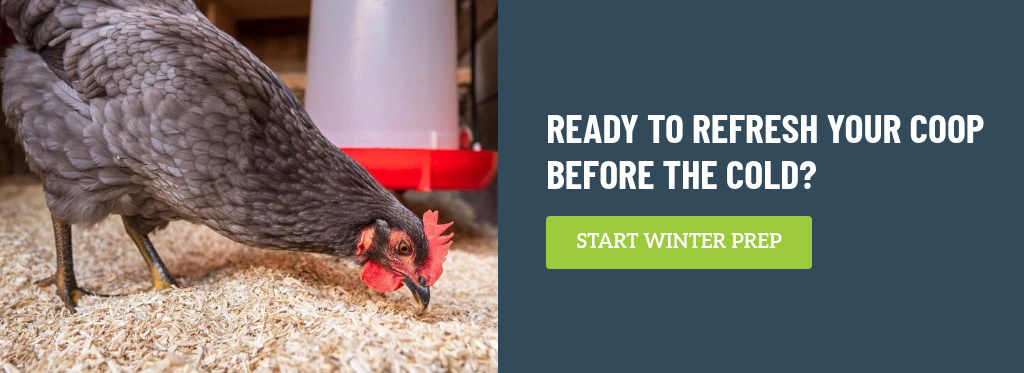
As the weather cools down and your chickens spend more time inside the coop, having the right amount of bedding becomes top of mind for many owners. A good layer of bedding helps absorb moisture, manage odors, and create a more comfortable environment for your flock throughout fall and winter.
But how much bedding do you actually need? Should you add more as temperatures drop? And what is the deep litter method that so many chicken keepers use during the colder months?
Whether you're preparing a new coop or refreshing your existing setup for winter, here's how to calculate your bedding needs and choose a routine that works for your flock.
HOW MUCH BEDDING SHOULD I PUT IN MY CHICKEN COOP?
The amount of bedding your chicken coop needs depends on the size of your floor, the depth you want to achieve, and how you plan to maintain it.
For routine bedding, a starting depth of 1–3 inches can be the most beneficial. As fall approaches, many chicken keepers choose to establish a deeper bedding layer to provide additional insulation between their flock and the coop floor. The right amount for your setup will depend on your coop size, the bedding material, and how effectively you manage moisture. For owners utilizing hemp animal bedding, less bedding will be needed over time with its natural absorption properties.
The important thing is to provide enough clean, dry bedding to absorb moisture and keep the floor comfortable without allowing waste to accumulate unchecked.
HOW TO CALCULATE HOW MUCH BEDDING MY COOP NEEDS
Before purchasing bedding, measure the floor space inside your coop. You'll need the length and width of the area you plan to cover. Multiply the length by the width to calculate your floor area in square feet. Then determine your target bedding depth.
Green Fox Hemp Hurd Animal Bedding is available in 8 lb and 28 lb bags, with the larger bag suited to backyard chicken coops and larger bedding areas. Use the following guide to estimate how many 28lb bags you'll need for a fresh layer of bedding.

If you have a 4 × 6-foot coop with 24 square feet of floor space, approximately one 28 lb bag provides 1 inch of coverage, while three 28lb bags provide approximately 3 inches. If you're preparing for winter and want to establish a 4–6-inch layer, you'll need to plan for more bedding than the 3-inch estimates shown above.
WHY BEDDING DEPTH MATTERS IN FALL AND WINTER
1. helpS manage moisture
Chickens produce moisture through their droppings and respiration. Water spills, snow tracked inside, and damp conditions can add to the problem. Absorbent bedding helps manage this moisture, but it isn't a substitute for removing wet material or maintaining good ventilation.
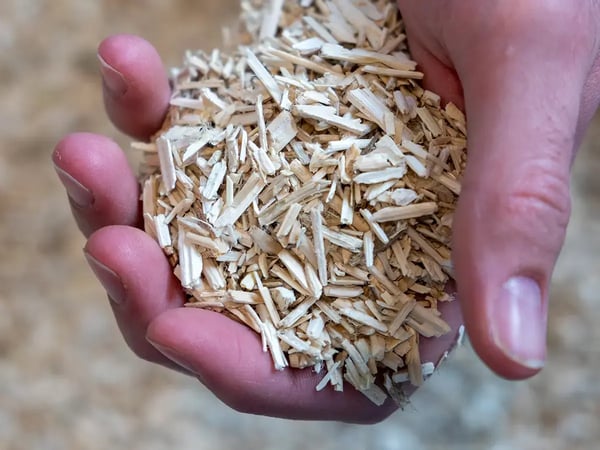
Green Fox Hemp Animal Bedding is naturally absorbent and designed to help keep animal enclosures drier. Its low-dust properties also make it a practical option for indoor coop environments.
2. ADDS A LAYER BETWEEN YOUR CHICKENS AND THE FLOOR
A deeper layer of dry bedding can help insulate the coop floor during colder months, particularly in coops with exposed or cold flooring. Keep in mind that bedding is only one part of winter preparation. A draft-protected coop with adequate ventilation, appropriate roosting space, and access to fresh water is essential for keeping your flock comfortable.
3. HELPS CONTROL ODORS
Chicken droppings can contribute to ammonia buildup, especially when moisture accumulates and bedding isn't managed properly.
Absorbent bedding can also help reduce moisture-related odors, but regular checks and cleaning are still necessary. To avoid strong ammonia smells, damp patches, or caked bedding, spot clean and rake your bedding rather than simply covering it with another layer.
THE DEEP LITTER METHOD
WHAT IS THE DEEP LITTER METHOD?
The deep litter method is a chicken coop bedding-management approach where you gradually build up and maintain a deeper layer of bedding rather than completely removing all the bedding for each coop cleaning.
Many backyard chicken keepers use a deep bedding or deep litter approach during fall and winter because it can reduce the frequency of full cleanouts and provide additional insulation over a cold floor.
HOW TO GET STARTED WITH THE DEEP LITTER METHOD
STEP 1: CLEAN OUT YOUR COOP
Remove the old bedding and accumulated manure. Clean the floor and allow it to dry before adding fresh material.
STEP 2: ADD A GENEROUS LAYER OF FRESH BEDDING
For winter preparation, a starting depth of approximately 4–6 inches is recommended. Measure your floor space and calculate how much material you'll need to establish the layer.
STEP 3: MONITOR AND MAINTAIN
Check your bedding regularly. Remove wet or heavily soiled patches, break up compacted areas as appropriate, and add fresh, dry bedding when needed.
The goal is to maintain a loose, absorbent layer rather than allowing the bedding to become wet, matted, or caked.
STEP 4: KEEP YOUR COOP VENTILATED
Ventilation is especially important during winter even when it's tempting to close every opening to keep the coop warm. Moisture and ammonia still need a way to escape! Provide ventilation above the birds while protecting the flock from direct drafts at roost level.
STEP 5: PLAN FOR A FULL CLEANOUT
Even when using a deep bedding system, you need to remove accumulated litter periodically. The timing depends on your flock, coop conditions, and how well the bedding is holding up.
For Green Fox Hemp Hurd Animal Bedding, our general product guidance recommends spot cleaning, adding fresh bedding as needed, and planning a full cleanout every 2–3 months. If you're using a deep litter approach, adjust that schedule to the actual condition of your coop and don't wait if moisture or odor becomes a problem.
IS THE DEEP LITTER METHOD RIGHT FOR EVERY COOP?
The deep litter method isn't necessarily the right answer for your coop. The method works best when you can maintain dry bedding, adequate ventilation, and a manageable amount of waste for the size of your coop. It might not work for smaller or poorly ventilated coops, or for an enclosure that struggles with persistent dampness.
Before deciding on the deep litter method consider:
- Floor space: Is there room for bedding to build up without blocking doors or interfering with roosts?
- Ventilation: Can humid air escape without creating direct drafts on your chickens?
- Moisture: Can you keep bedding dry and quickly address spills or wet spots?
- Maintenance: Can you regularly inspect the bedding and remove soiled material?
- Cleanout access: Can you remove the accumulated bedding when it is time for a full cleanout?
If your coop tends to stay damp or develops a strong ammonia smell, a more frequent spot-cleaning and bedding-replacement routine may be a better option. The best system is the one that keeps your flock's environment clean, dry, and well ventilated.
WHY USE HEMP BEDDING FOR YOUR WINTER COOP PREP
Choosing the right bedding material can make all the difference in your fall and winter routine. Our Hemp Animal Bedding is made from the woody core of the hemp plant and grown and processed in Minnesota. It's designed to provide a comfortable, absorbent bedding layer for chickens and other animals.
Here's why chicken keepers choose hemp bedding over straw and shavings for their winter setup:
- High absorbency: Hemp bedding can absorb up to two as much moisture as pine shavings.
- Odor management: Its absorbency helps reduce moisture-related ammonia odors.
- Low dust: A low-dust bedding option can help support a cleaner coop environment.
- Longer-lasting performance: Its absorbency and slower breakdown can mean less frequent replacement.
- Compostable: Used hemp bedding can be composted where appropriate.
Whether you prefer a regular spot-cleaning routine or want to maintain a deeper bedding layer through winter, hemp bedding offers a practical option for managing your coop environment.
get your chicken coop ready for winter
Preparing your coop for colder weather doesn't have to be complicated. Start by measuring your floor space, choosing an appropriate bedding depth, and making sure you have enough material on hand before temperatures drop. From there, focus on keeping the bedding dry, checking for moisture and ammonia, and maintaining good ventilation throughout the season.
And remember: adding more bedding is only part of the equation. Regular monitoring and timely cleanouts are what help keep your coop comfortable all winter long.